
Your Guide to Winter Maintenance for Okanagan Paving Stone Driveways
A beautiful paving stone driveway is more than just a place to park your car; it’s a significant investment that boosts your home's curb appeal and value. As we enjoy the vibrant colours of fall in Kelowna, it's the perfect time to think about how to protect that investment through the coming winter. The Okanagan's cycle of snow, ice, and thaw can be tough on any surface, but with the right care, your paving stones can emerge in spring looking just as good as they did before the first snowfall.
Many homeowners worry about potential damage like shifting pavers, surface degradation, or stains from de-icing products. The good news is that preventing these issues is straightforward. This guide will walk you through the essential steps for winterizing your driveway, from pre-season prep to safe snow removal, ensuring your hardscape remains durable and beautiful for years to come.
Step 1: Pre-Winter Preparation is Key
Before the temperature drops, a little proactive maintenance can make a world of difference. Taking these steps in the fall sets your driveway up for success and makes winter care much easier.
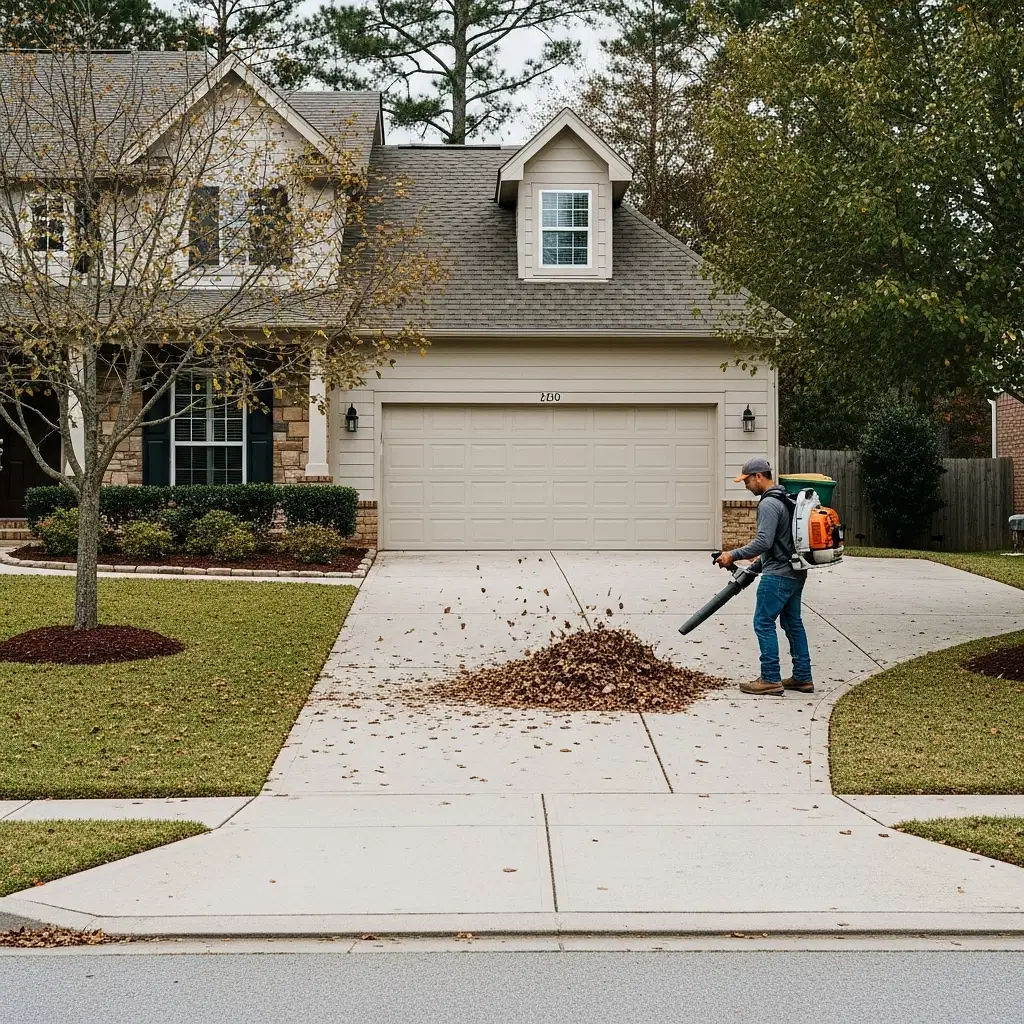
- Thorough Cleaning: Start by clearing your driveway of any leaves, dirt, pine needles, and other debris. This isn't just for looks; organic matter can decompose and stain the pavers, and wet leaves can create slippery, hazardous spots under a layer of snow.
- Detailed Inspection: Walk the entire surface and look for any potential issues. Are there any pavers that have settled or become wobbly? Are the joints between the stones still filled with sand? Addressing minor issues now prevents them from becoming major problems. Water can penetrate empty joints, get into the base layer, and cause significant heaving when it freezes.
- Consider Sealing: Applying a quality sealant to your paving stones is one of the best protective measures you can take. A good sealant creates a barrier that helps prevent water absorption, makes snow and ice easier to remove, and protects the surface from the corrosive effects of de-icing salts. It also enhances the colour and finish of your pavers.
Step 2: Safe and Effective Snow and Ice Removal
When the snow starts to fall, how you remove it is crucial to protecting your pavers. Using the wrong tools or products can cause scratches, chips, and long-term damage, turning a simple task into a costly mistake.
The Right Tools for the Job
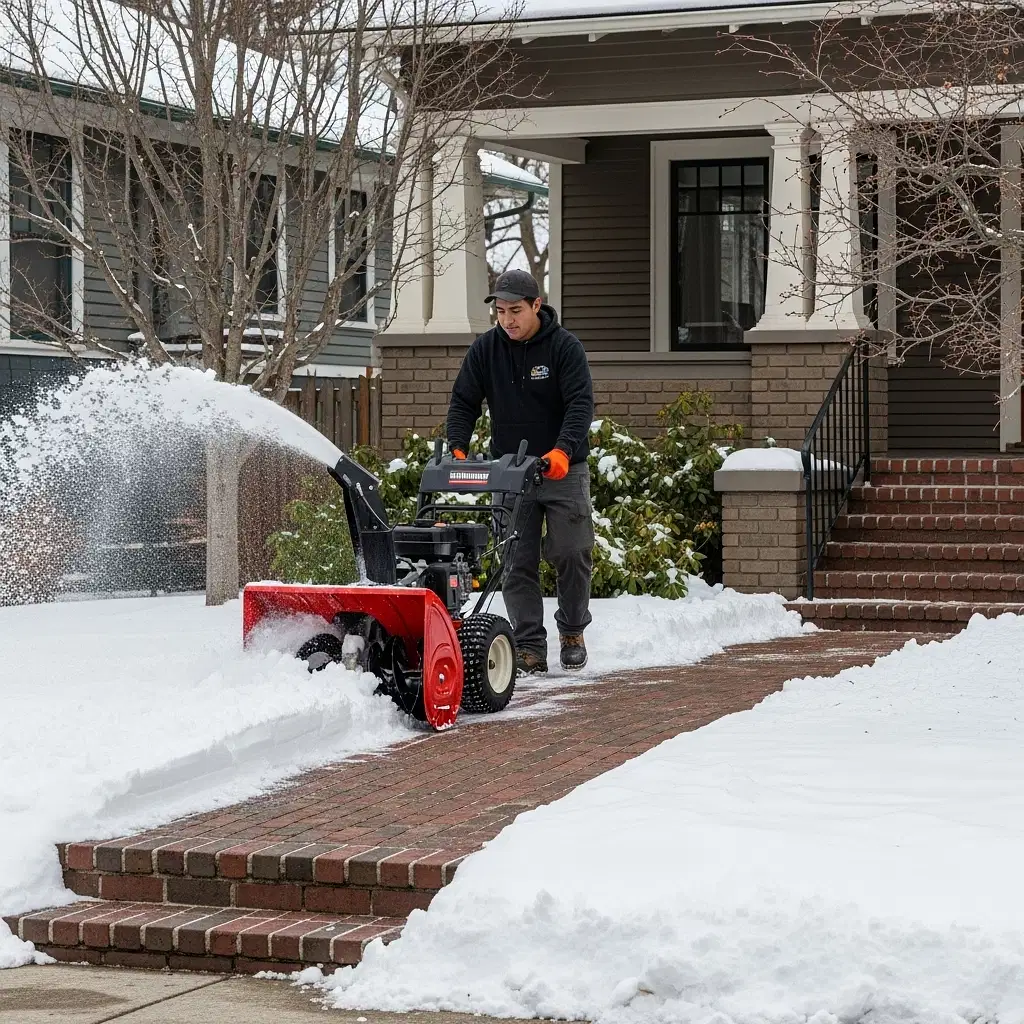
Avoid metal-bladed shovels at all costs. Their sharp edges can easily scratch and gouge the surface of your paving stones. Instead, opt for a plastic shovel or one with a protective plastic or rubber edge. If you use a snow blower, ensure it has a rubber paddle or that you set the height of the metal auger high enough so it doesn't make contact with the driveway's surface.
Choosing a Paver-Safe De-Icer
This is one of the most common areas where homeowners accidentally damage their hardscapes. Standard rock salt (sodium chloride) is highly corrosive to concrete pavers and can cause surface pitting and deterioration over time. It's also harmful to adjacent lawns, plants, and pets.
Instead, choose a de-icing product specifically formulated to be safe for concrete and paving stones. Look for products containing calcium chloride or magnesium chloride. These alternatives are far less corrosive and are effective at much lower temperatures than traditional rock salt. For added traction without chemicals, a simple layer of sand is always a safe and effective option.
Step 3: Understanding and Preventing Winter Damage
The most significant threat to any hardscape in a cold climate is frost heave. This occurs when water seeps into the base material beneath the pavers, freezes, and expands, pushing the stones upward and creating an uneven, unsafe surface. While proper maintenance helps, the number one defense against frost heave is a professionally engineered foundation.
A properly constructed driveway includes a deep, well-compacted base of aggregate material that allows for excellent drainage. This base ensures that water doesn't get trapped underneath the pavers where it can freeze. Furthermore, the use of high-quality polymeric sand in the joints is essential. This special sand hardens and locks the pavers together, creating a durable yet flexible surface that resists water penetration and weed growth.
If you notice shifting or heaving, it's often a sign that the initial installation may not have been sufficient for the Okanagan's soil and climate conditions. While you can't change the base without a complete re-installation, keeping the joints filled and ensuring water drains away from the driveway can help mitigate further issues.
Protect Your Investment for a Lifetime
Your paving stone driveway is a valuable feature of your home, designed to provide decades of performance and beauty. By following these simple winter maintenance steps—preparing in the fall, using paver-safe tools and de-icers, and understanding the importance of proper drainage—you can protect it from the harshest elements our Okanagan winters can deliver.
Ultimately, the long-term durability of your hardscape starts with a quality installation. If you're considering a new paving stone driveway or patio that is built to last, our team at Acland Contracting Inc. has the expertise to do it right. We focus on creating robust foundations and using premium materials to ensure your investment stands the test of time.
Contact us today to schedule a consultation and learn how we can build a beautiful, durable hardscape for your Kelowna home.